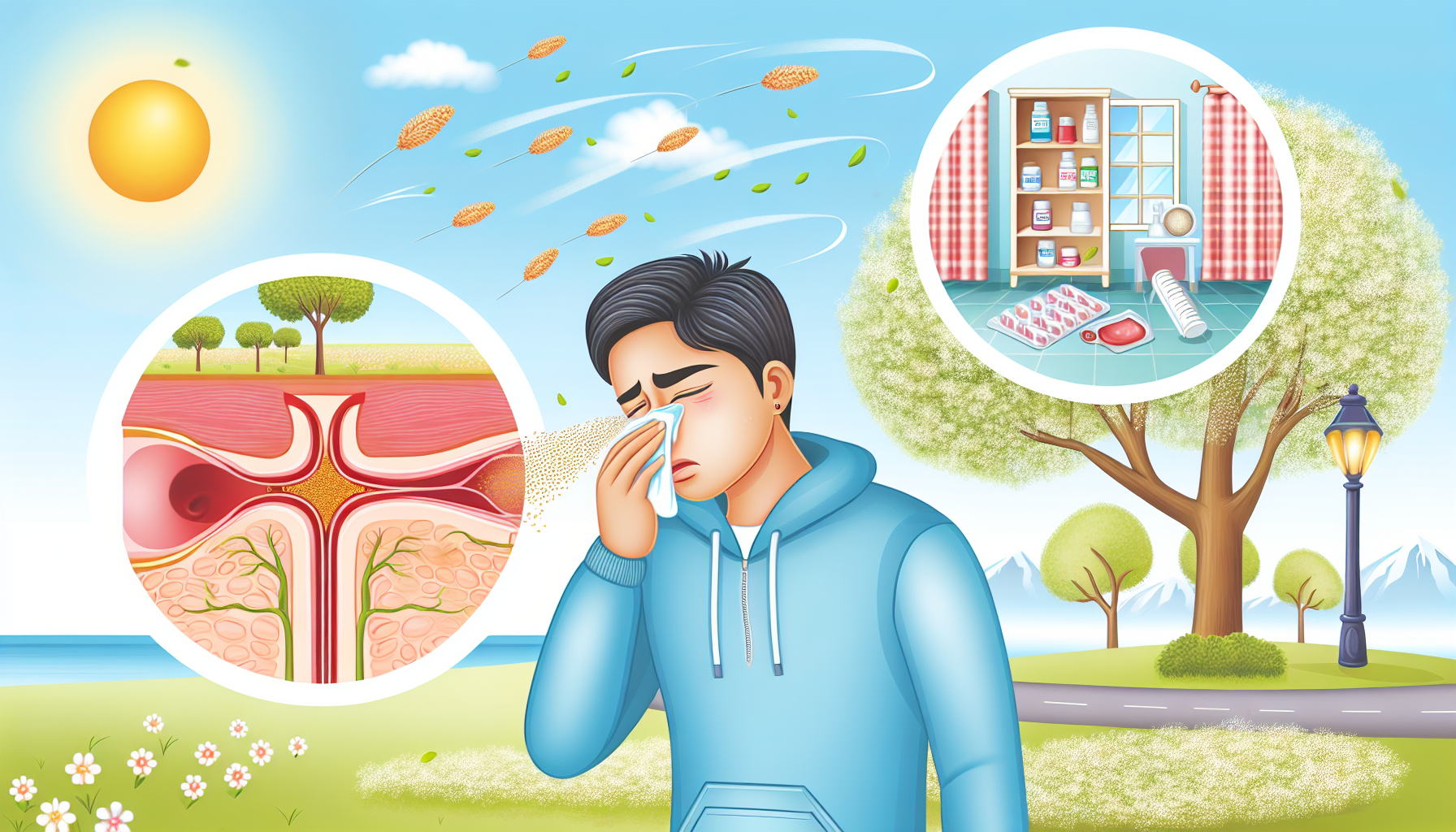
Seasonal allergies are a common occurrence for many people, especially during spring and fall when pollen levels are high. These allergies can cause symptoms such as sneezing, watery eyes, and congestion, making it difficult to enjoy the outdoors. Understanding the causes of seasonal allergies and knowing how to prevent flare-ups can help you manage your symptoms and enjoy the changing seasons.
### Causes of Seasonal Allergies
Seasonal allergies are typically caused by an overreaction of the immune system to allergens such as pollen, grass, and mold spores. When these allergens enter the body, the immune system mistakenly identifies them as harmful invaders and releases chemicals like histamine to combat them. This immune response leads to the classic symptoms of seasonal allergies.
### Managing Symptoms
There are several ways to manage the symptoms of seasonal allergies and find relief from discomfort. Over-the-counter antihistamines can help reduce sneezing and itching, while decongestants can help alleviate congestion. Nasal sprays and eye drops can also provide relief from symptoms like nasal congestion and itchy, watery eyes.
### Preventing Flare-ups
Preventing seasonal allergies from flaring up in the first place is key to avoiding discomfort. Here are some tips to help prevent seasonal allergies:
1. Monitor pollen levels: Check pollen forecasts regularly and try to stay indoors when pollen counts are high.
2. Keep windows closed: Keep windows closed during peak pollen season to prevent allergens from entering your home.
3. Use air purifiers: Consider using air purifiers with HEPA filters to help remove allergens from the air in your home.
4. Wash your hands and clothes: Shower and change clothes after spending time outdoors to remove allergens from your body and prevent them from spreading in your home.
### Final Thoughts
By understanding the causes of seasonal allergies and taking steps to prevent flare-ups, you can manage your symptoms and enjoy the changing seasons without discomfort. If your allergies are severe or persistent, consider consulting a doctor or allergist for personalized treatment options. With the right approach, you can keep seasonal allergies at bay and make the most of the spring and fall months.
Remember, prevention is key when it comes to managing seasonal allergies and finding relief from symptoms. By following these tips and being proactive in your approach, you can help minimize the impact of seasonal allergies on your daily life.
Leave a Reply